
Global reach for mandates
Coverage across North America, Europe, and key international markets.

Fusio introduces advisors for early stage growth, market entry, governance, and leadership transitions.
Private mandate handling
Search posture stays controlled before advisor names move forward.
Advisor fit checked early
Background, availability, and interest are reviewed before introduction.
Mandate clarity
Scope and role expectations are defined before outreach begins.
External advisors are most useful when leadership needs judgment without adding a permanent board seat.
Coverage across North America, Europe, and key international markets.

Introductions with clear scope and scheduling, handled with discretion on both sides.

Confirm fit, range, and availability before making introductions on either side.
Outside advisors can add operating judgment when a company is entering a new stage of scale.
Domain advisors help leadership teams test a new region, category, customer base, or channel.
Advisory boards give founders, executives, and sponsors a forum before a formal director seat is needed.

The process is intentionally narrow. It starts with the company stage and advisory need, then moves toward calibrated introductions.
Company stage
Growth, transition, market entry, or governance needs are named before outreach.
Advisor profile
Sector depth, operator background, and time expectations shape the search.
Introduction posture
Scheduling and communication are handled so both sides arrive prepared.
Clarify the company stage, operating challenge, advisor profile, and access requirements.
Confirm background, range, interest, and availability before either side enters a conversation.
Narrow advisor options against mandate fit, sector relevance, and practical availability.
Coordinate introductions with clear expectations, meeting purpose, and discretion throughout.
Private intake before outreach begins.
Our methodology brings structure and discipline to advisory board searches. Each introduction is designed to protect the company, the advisor, and the mandate.
The engagement starts by naming the advisory board purpose, company stage, and advisor profile.
Potential advisors are reviewed for sector depth, operating relevance, and ability to engage.
Both sides receive enough detail to assess fit before a conversation is scheduled.
Advisory board introductions are easier to trust when the role, access rules, and communication rhythm are explicit from the start.
Advisor interest is handled before names are shared broadly.
Search materials and introduction notes stay disciplined.
Scope, access needs, and meeting purpose stay clear as the mandate evolves.
“The shortlist felt like it came from someone who had actually sat through our board meetings.”
Douglas W.
Board Member · Consumer Fintech
“From start to finish it took our team a little over five weeks to compare, interview, and send out the offer.”
Jonathan M.
CHRO · Advanced Manufacturing
“Two of the three names on the first list were directors we had no path to reach. Neither did our network.”
Margaret D.
Board Chair · Healthcare IT
“Filled our audit committee chair seat in under four weeks. Two strong finalists, both board-ready. That almost never happens on the first pass.”
Catherine R.
Nom/Gov Committee Chair · Enterprise Cloud Infrastructure
“They challenged our brief early on, pushed back on scope in a way that actually saved us time. Most firms just nod and start sourcing.”
Malcolm T.
CEO · Industrial Automation
“No filler updates, no unnecessary calls. Just steady progress and candidates that actually matched what we asked for.”
Richard H.
CFO · B2B Payments

A cooling labor market is raising the premium on leaders who can make the first difficult call without losing a quarter.
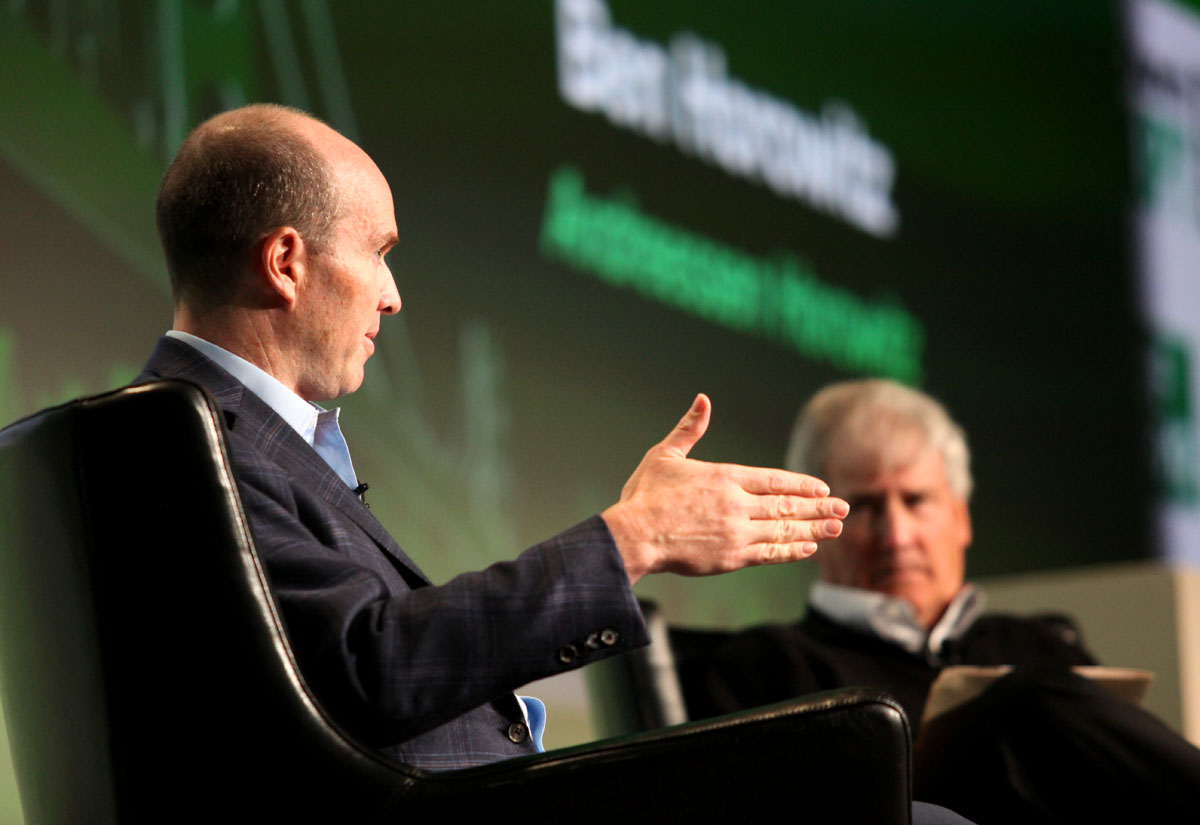
After fifteen years at Andreessen Horowitz, Marc Andreessen and Ben Horowitz built a high-output firm that rejects the standard venture partnership model.

Private equity's standard integration playbook can destroy value in founder-led businesses. The operators who win replace rigid timelines with trust.

Why 2026 is the year the "oversight-only" board becomes a liability, and what operator-led governance looks like in practice.

Late-2025 board advisory outlooks converged on three priorities. What separates boards that act on them from boards that just discuss them.

AI, cyber, and regulatory risk have merged into one threat surface. Siloed incident playbooks are now dangerous. Here is what a sound risk committee looks like.